THE SAFEST CHOICE FOR EVERY SPACE.
Elevate your spaces with sustainable, premium design.
Home Design & Decorating
From decorating the kitchen to curating sustainable living spaces, our expert design inspiration helps you make your best home. Embrace minimal noise and true function.
Room Design
Explore expert advice on creating functional, beautiful interiors—from living rooms to home offices.
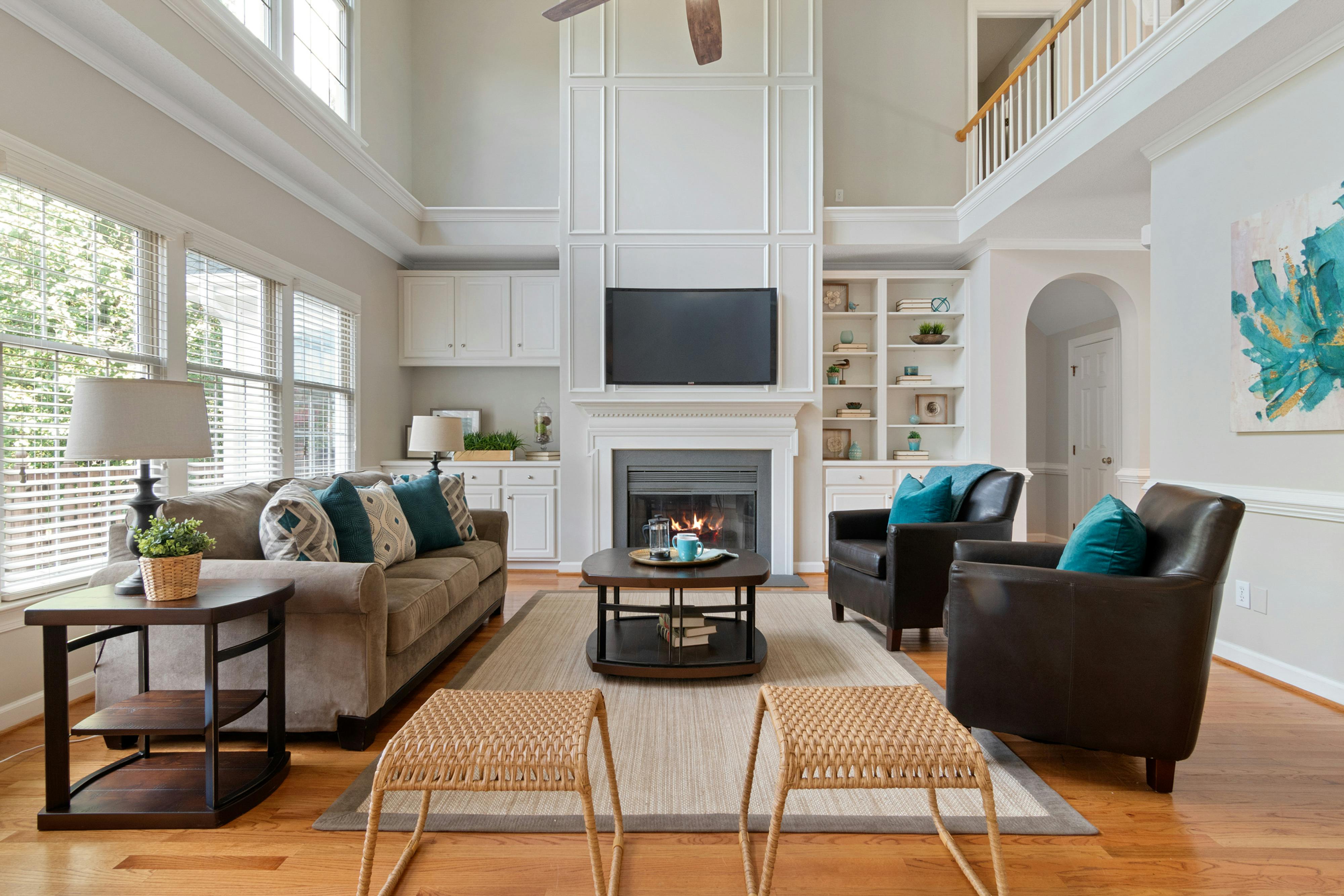
Ways to Make Your Home Feel Ten Times Larger
Attic Closet Ideas to Make a Slanted Ceiling Work
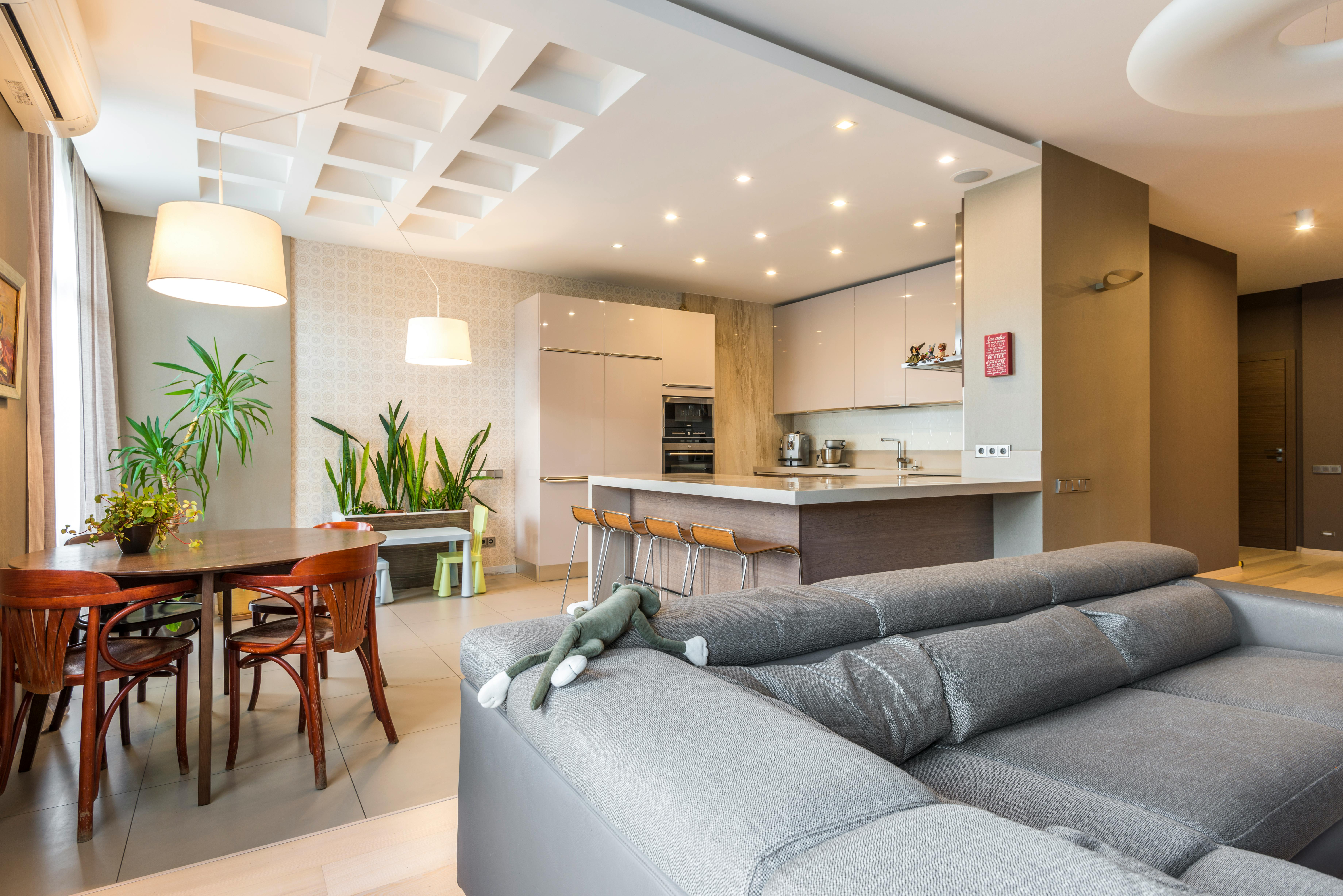
Beautiful Ceiling Ideas for Any Room
Decorating
Learn how to use color, texture, and accessories to transform any room into a personal haven.

Bedroom Elements That Always Give Designers the Ick

Bedding Colors That Are So Outdated

These Blackout Curtains Transformed My Sleep
Design Styles
From minimalist to bohemian, discover the style that speaks to you and learn how to achieve it.
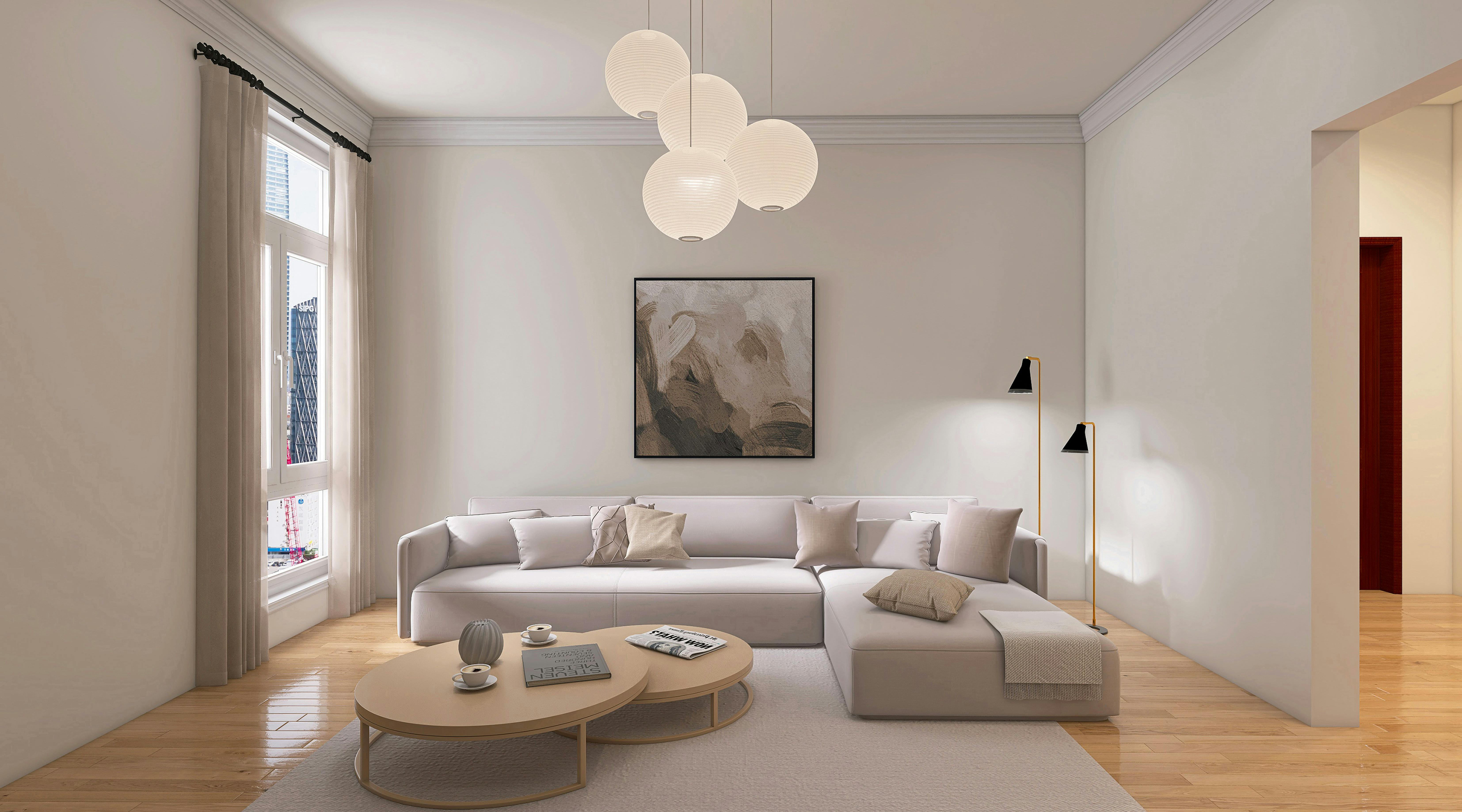
Minimalist Living Room Ideas That Look Clean & Stylish
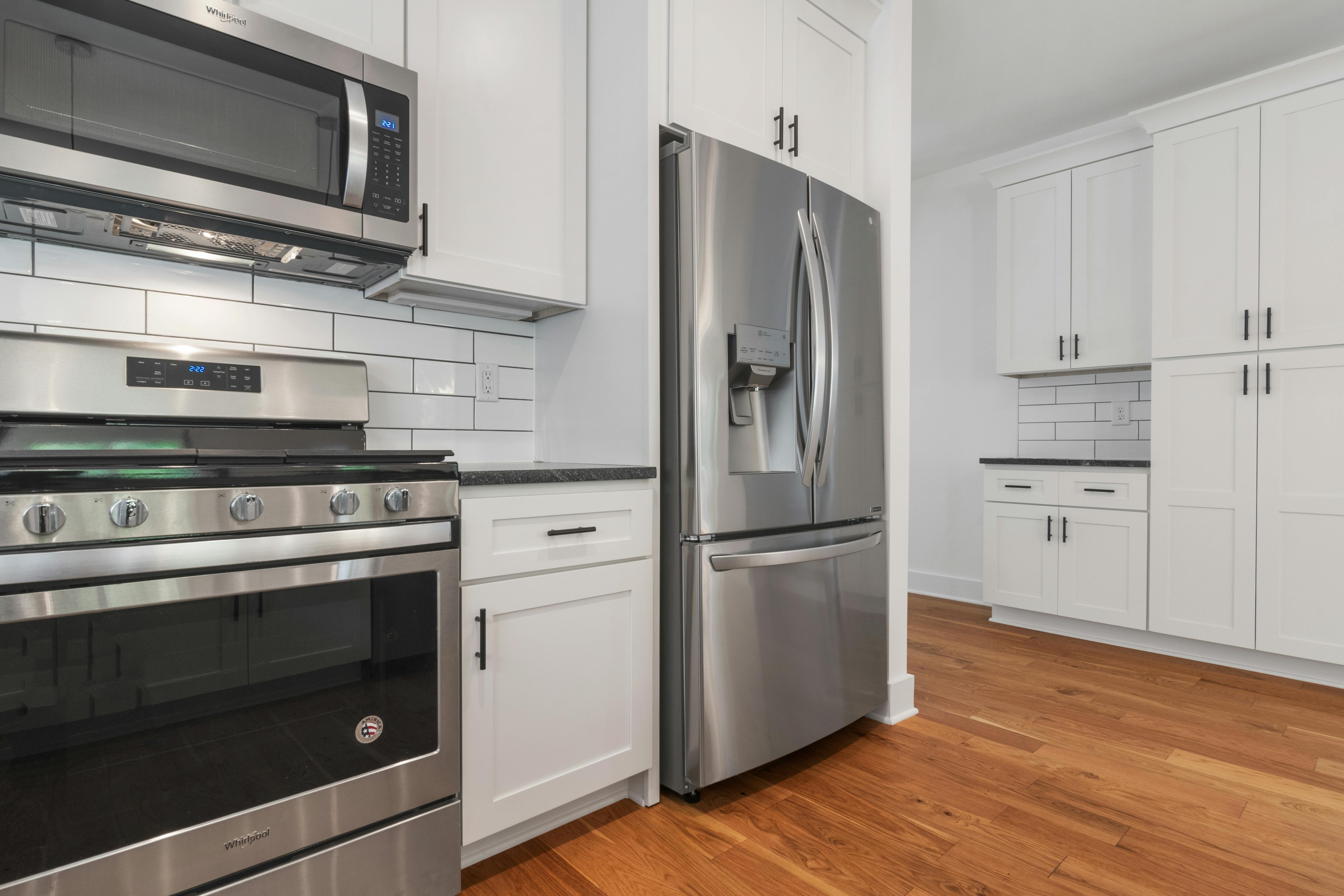
Are Stainless Steel Appliances Going Out of Style?
Small Spaces
Smart solutions and creative ideas to make the most of every square foot in your home.
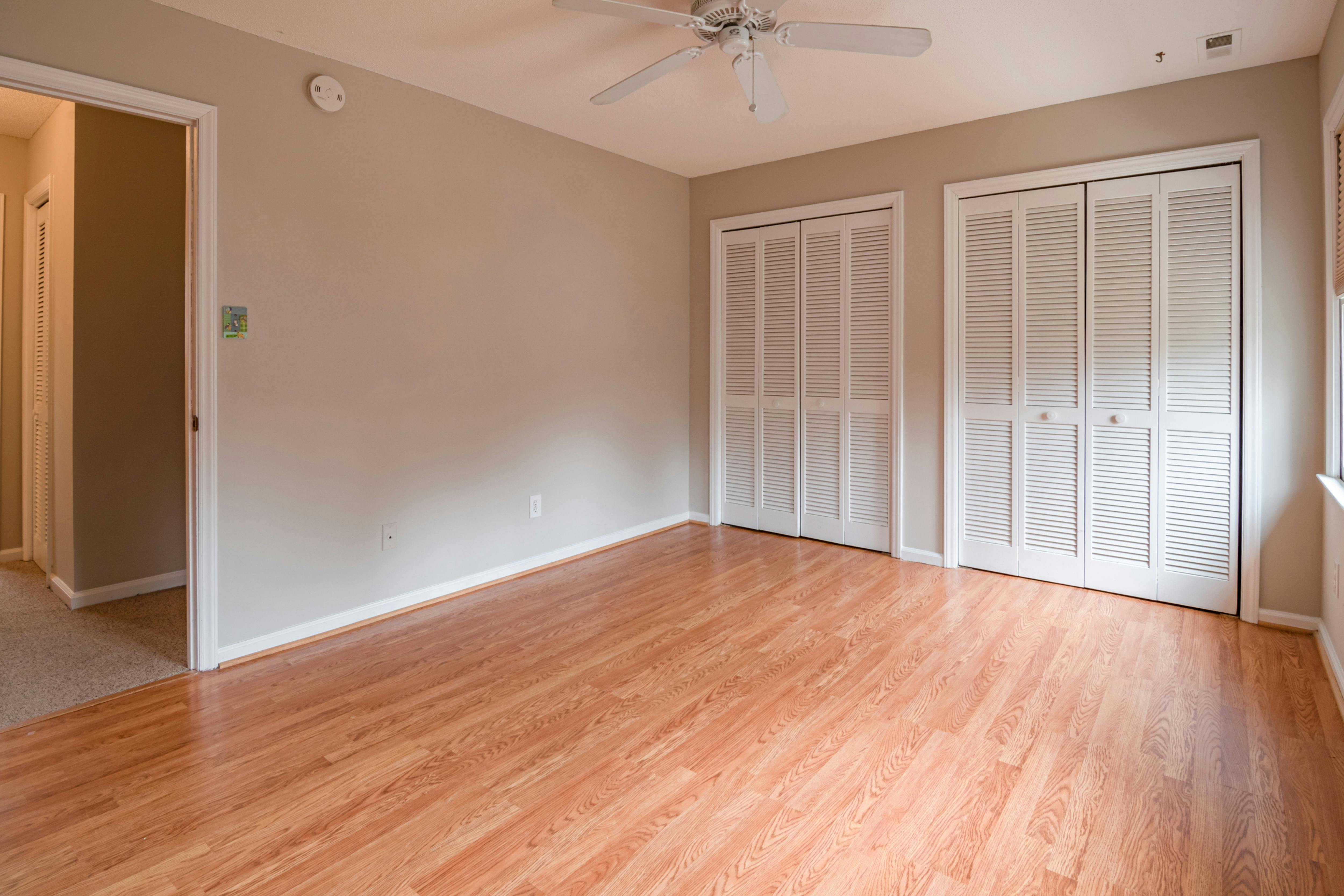
Closet Door Alternatives for a Clean, Open Look
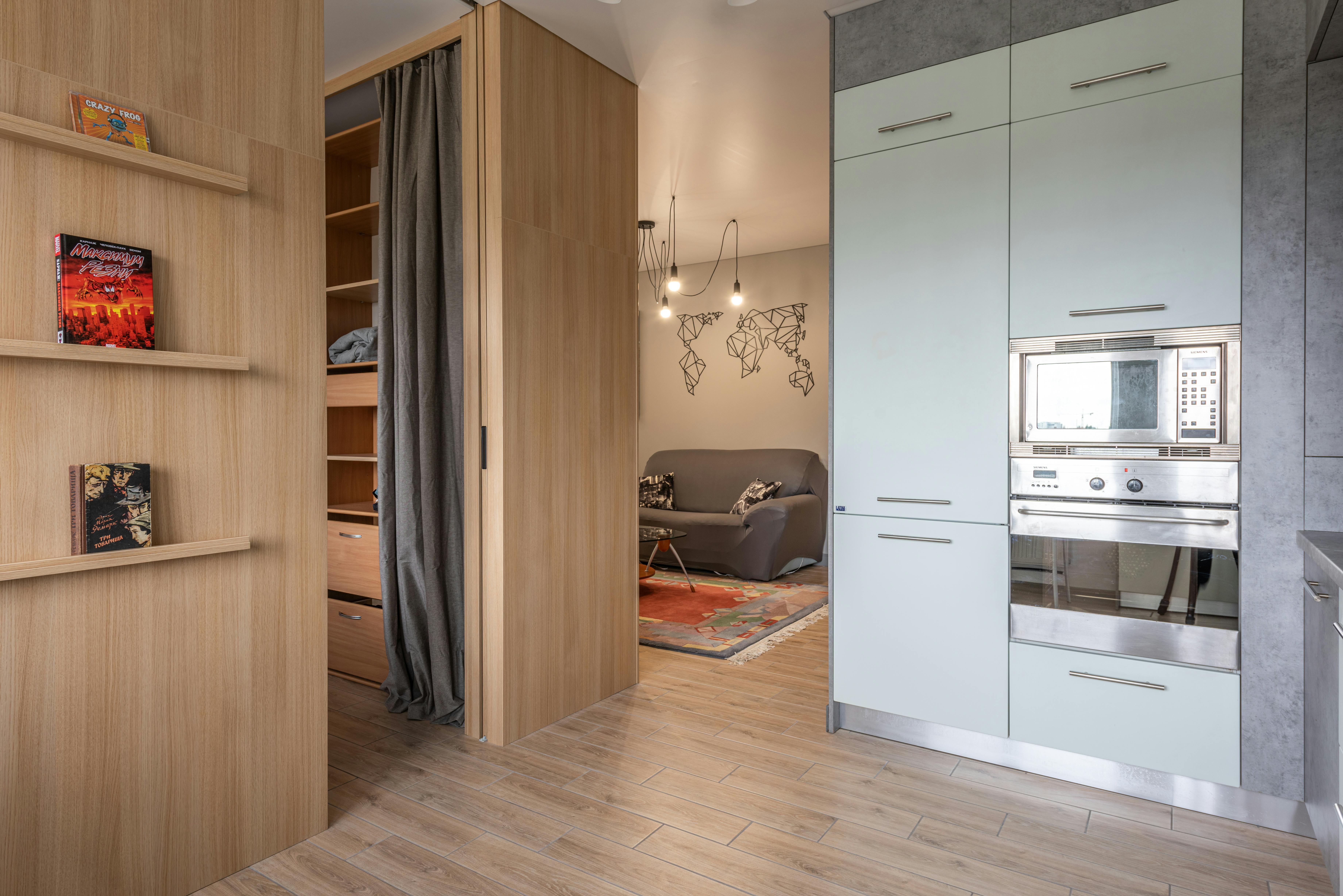
Genius Storage Hacks for Tiny Apartments
Feng Shui
Harmonize your home's energy with ancient principles that promote balance, health, and prosperity.
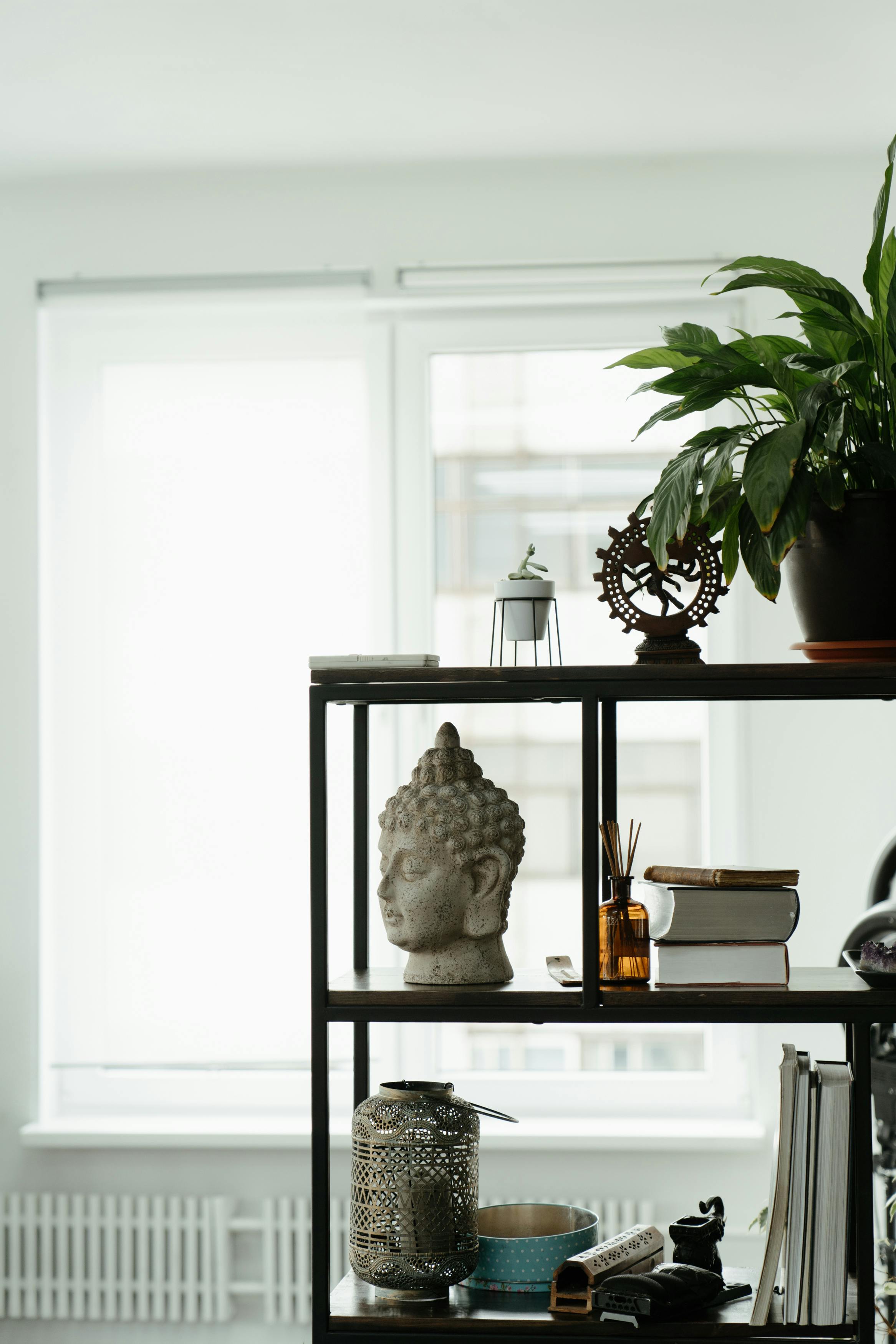
Feng Shui Principles to Bring Balance to Your Home

How to Arrange Furniture for Positive Energy Flow
About Home Comfort Lives
At Home Comfort Lives, we believe that a well-designed home is the foundation of a well-lived life. We are a team of designers, architects, and lifestyle experts dedicated to curating sustainable, functional, and beautiful spaces that resonate with modern living.
Our mission is to empower homeowners with the knowledge and inspiration they need to transform their houses into true sanctuaries. From eco-friendly materials to timeless design principles, we champion quality over quantity and authenticity over fleeting trends. We believe that good design is not a luxury—it's a necessity for mental well-being and daily joy.
Every piece of content we produce is meticulously researched and crafted to offer actionable advice, whether you're planning a major renovation or simply looking to refresh a single room. We are committed to sustainability, inclusivity, and making the world a more beautiful place, one home at a time.
Our editorial team brings decades of combined experience in interior design, architecture, and home improvement. We work closely with industry professionals to ensure that our advice is not only inspiring but also practical and reliable. Welcome to our community of conscious creators and comfort seekers.
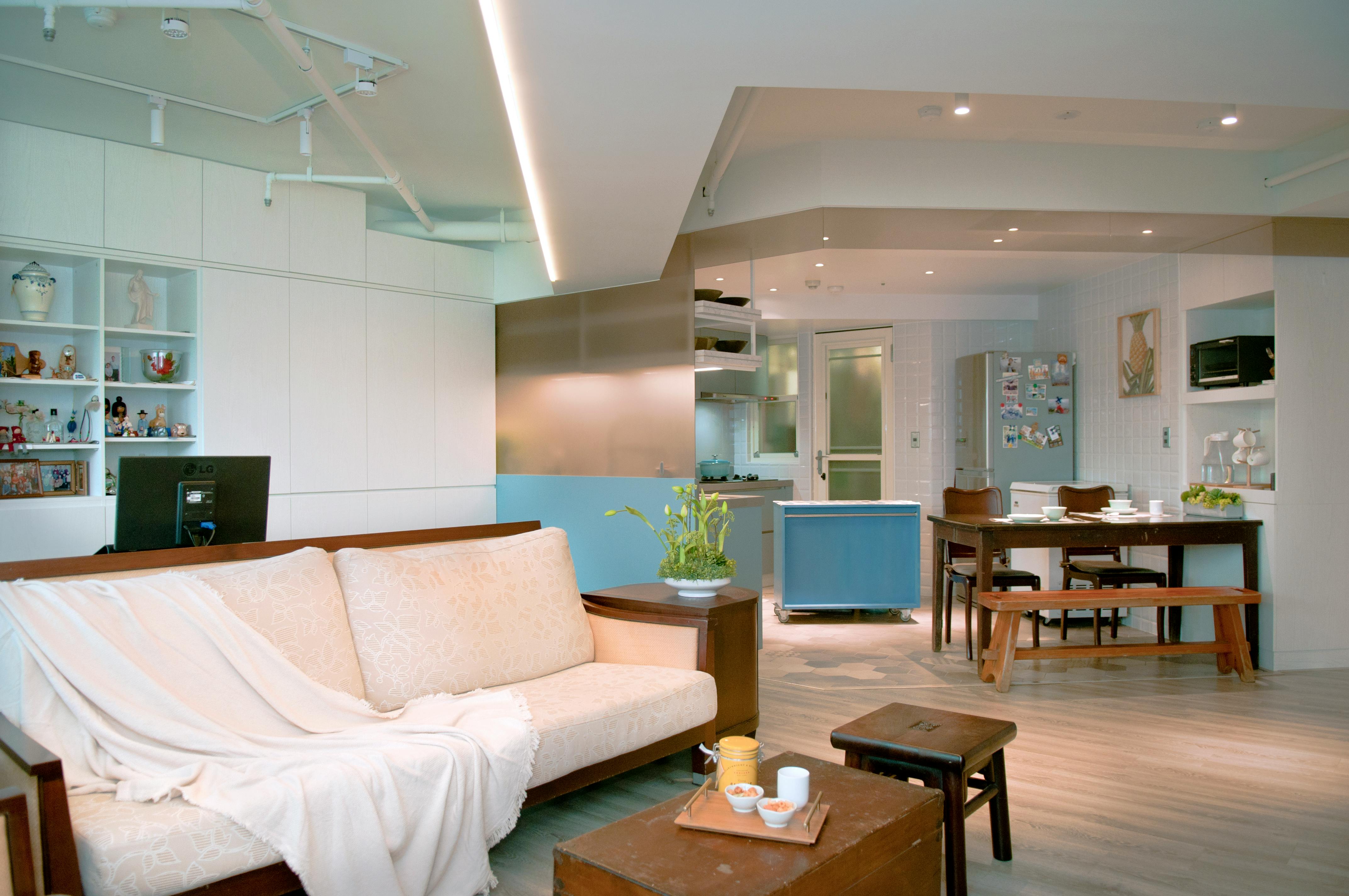
Consumer Remodeling
Expert guidance to help you plan, budget, and execute your home renovation with confidence.
Sooner or later you may join the millions of people who remodel their homes each year. Perhaps it's at that moment when you realize that avocado green and harvest gold are no longer the "in" colors for today's trendy kitchens. Or maybe you have an epiphany one day as you stand in line to use your own bathroom. Whatever the impetus, the thought crosses your mind: Maybe it's time to start a home remodel. The reasons for home remodeling are as varied as the projects we undertake.
Over 10 million homeowners remodel annually, investing billions of dollars into improving their living spaces. Whether driven by outdated aesthetics or pure necessity, the journey requires careful navigation. Homeowners who meticulously plan save an average of 15% on costs and report significantly higher satisfaction rates. This guide will walk you through every critical step of the remodeling process, from initial inspiration to final walkthrough.
Some of the key reasons homeowners remodel include:
- Adding more space to accommodate a growing family
- Upgrading cabinets, counters, appliances and fixtures
- Creating a floor plan that's customized for your lifestyle
- Improving energy efficiency with new windows, doors, insulation, and climate control systems
- Increasing the resale value of your home
- Modernizing outdated interiors and increasing comfort
⚡ Quick Tips for a Smooth Remodel
- Always get at least three contractor quotes before signing.
- Set aside 10-20% of your budget for unexpected surprises.
- Choose timeless finishes over trendy fads for better ROI.
- Check your HOA rules before starting any exterior work.
- Keep a project journal to track decisions and changes.
- Schedule a pre-construction meeting to align expectations.
- Document everything with photos and receipts.
Understanding the Costs
A typical home remodel involves several cost categories. Labor usually accounts for 30-40% of the total budget, while materials take up 40-50%. Permits, design fees, and contingency funds make up the rest. It's crucial to get detailed quotes that break down these costs so you can compare apples to apples. Remember, the cheapest quote isn't always the best—consider the contractor's reputation, timeline, and communication style.
Compare Contractors
| Criteria | Contractor A | Contractor B | Contractor C |
|---|---|---|---|
| License & Insurance | ✅ Verified | ✅ Verified | ⚠️ Ask for proof |
| Years in Business | 12 years | 8 years | 3 years |
| Project Timeline | 6-8 weeks | 8-10 weeks | 4-6 weeks (rushed) |
| Payment Schedule | 10% deposit, 30% start, 30% mid, 30% final | 20% deposit, 40% start, 40% final | 50% deposit, 50% final |
| Warranty | 2 years labor | 1 year labor | No written warranty |
| References | 5 provided, all positive | 3 provided, mixed reviews | 1 provided |
Permits & Building Codes
Skipping permits might seem like a time-saver, but it can lead to serious consequences. Unpermitted work can result in fines, issues with your homeowners insurance, and significant headaches when you decide to sell your home. Most buyers will require proof that all renovations were done with proper permits.
Typically, any project that involves structural changes, electrical work, plumbing, or HVAC upgrades will require a permit. Your contractor should handle the permit application process, but it's wise to verify that the permits are pulled and inspections are scheduled. Keeping a copy of all permits and inspection reports is essential for your records.
Subscribe to our newsletter for more expert tips, case studies, and resources to guide your remodeling journey every step of the way.
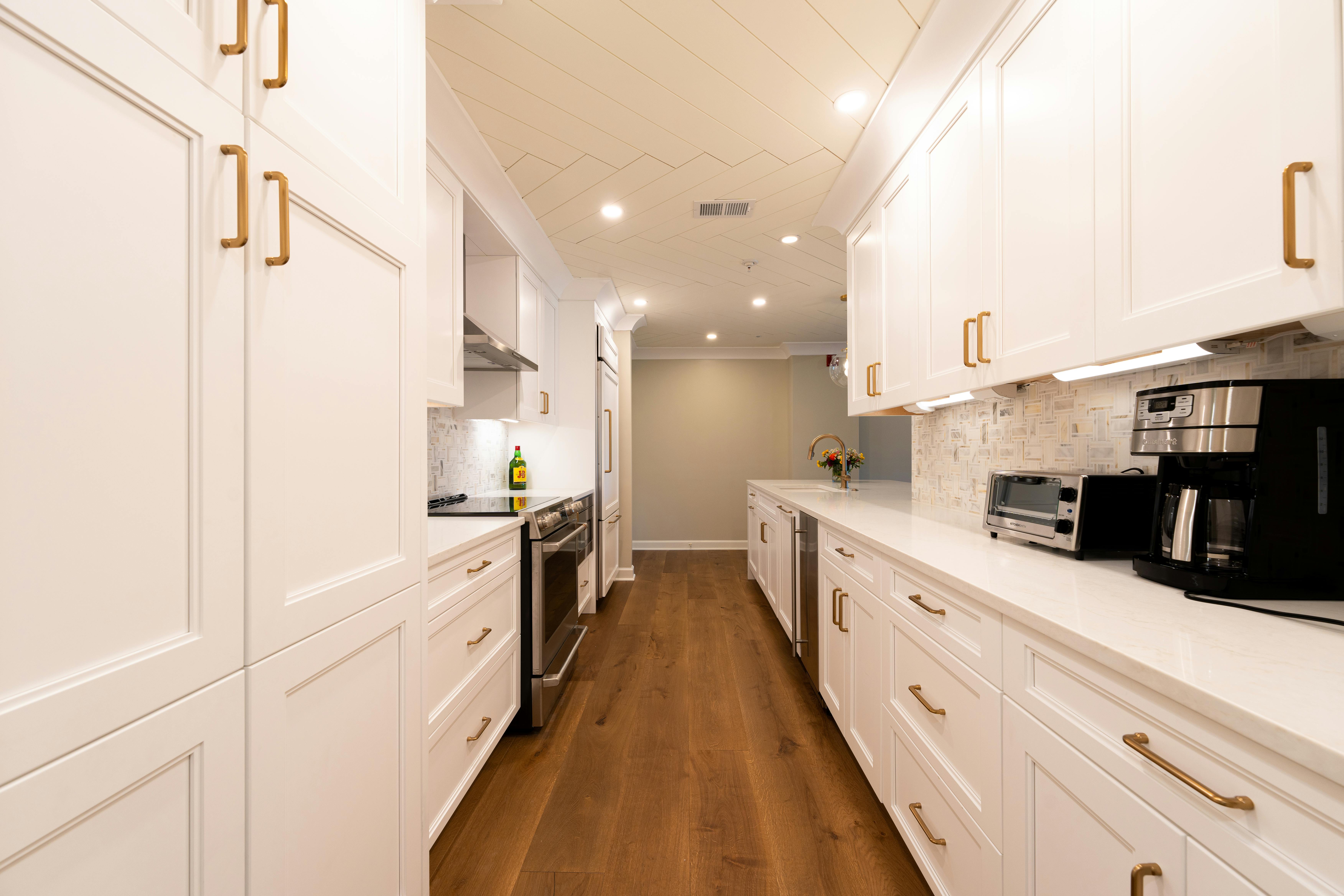
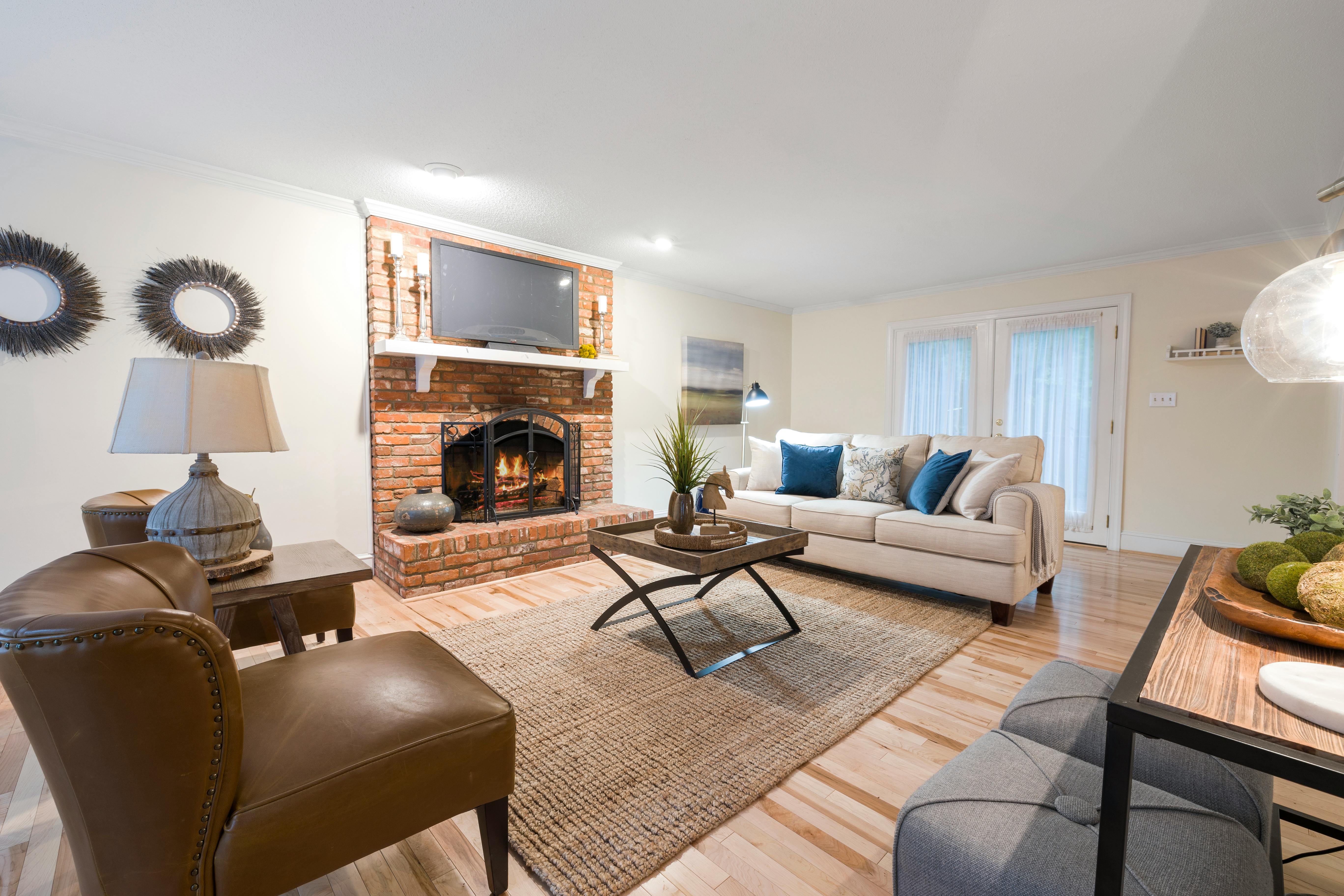
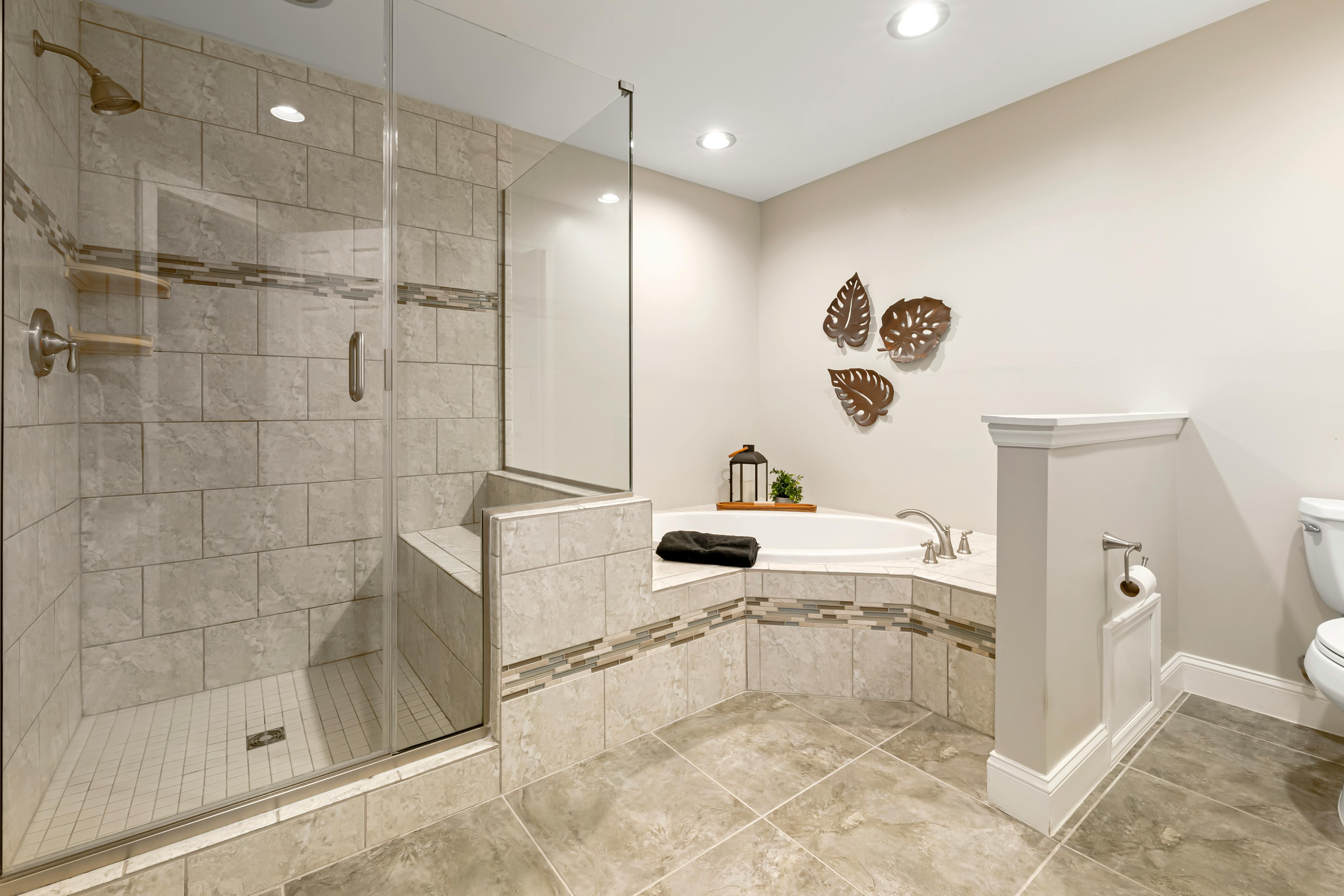
Our Previous Work
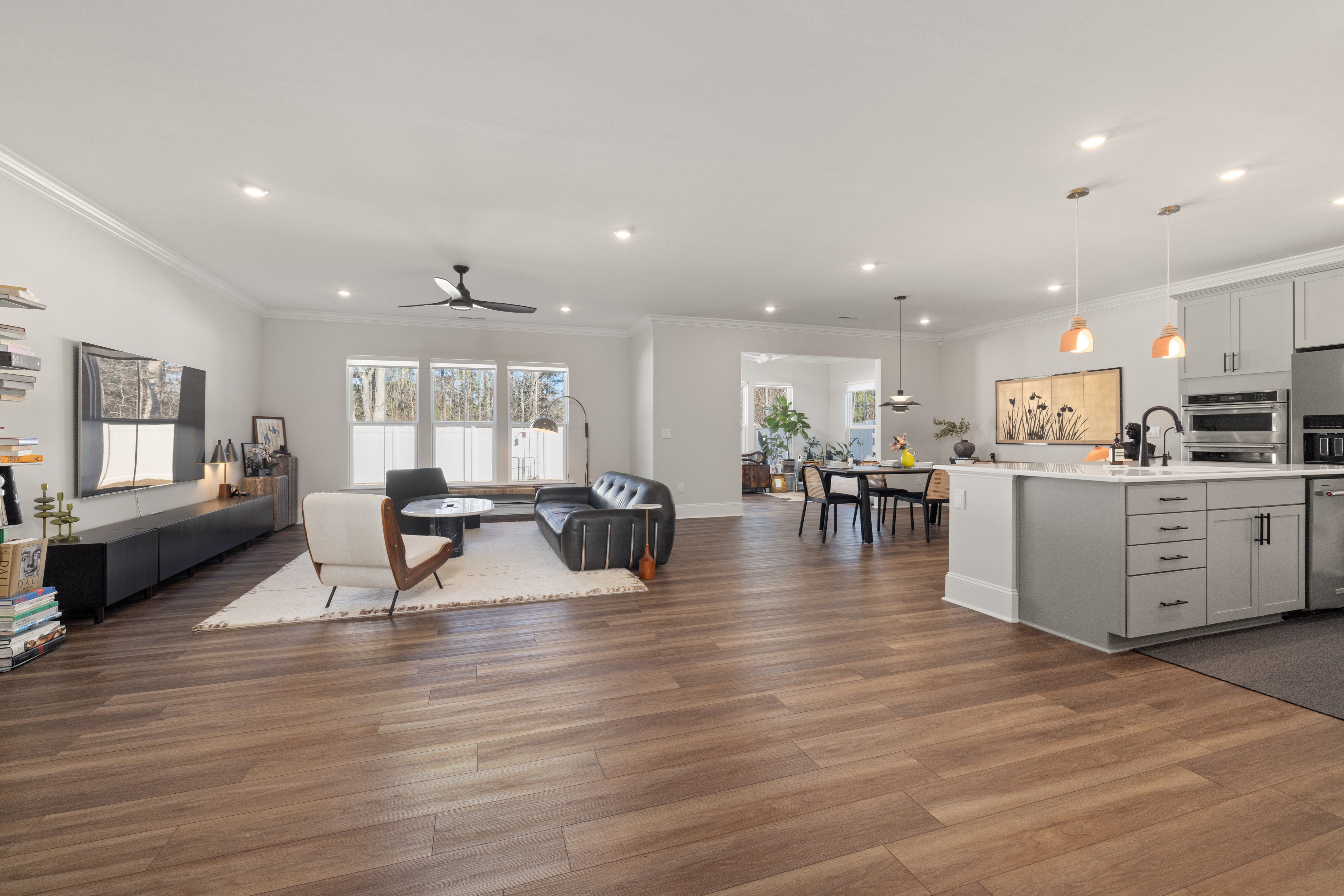
Take a look at some of our favorite transformations each project reflects our commitment to quality and timeless design.


Frequently Asked Questions
Find answers to the most common questions about home design, remodeling, and our platform.
How do I choose the right color palette for my home?
Start by identifying the mood you want to create—calm, energetic, cozy, or sophisticated. Use the 60-30-10 rule: 60% dominant color (walls), 30% secondary color (upholstery, curtains), and 10% accent color (accessories, artwork). Test samples on your walls at different times of day to see how natural light affects them. Don't be afraid to start with a neutral base and layer in pops of color through textiles and décor.
What is the average cost of a kitchen remodel?
Costs vary widely based on location, size, and material choices. A minor kitchen remodel (refacing cabinets, new countertops, mid-range appliances) averages $20,000–$35,000. A major remodel (custom cabinetry, high-end appliances, layout changes) can range from $50,000 to $150,000+. It's always recommended to get at least three detailed quotes from local contractors to get an accurate estimate for your specific project.
Do I need a permit for my home renovation?
Typically, any project involving structural changes, electrical work, plumbing, or HVAC upgrades requires a permit. This includes adding or removing walls, changing window sizes, or installing new gas lines. Even some cosmetic changes like moving a sink or adding a new outlet may require a permit depending on your local codes. Always check with your local building department or ask your contractor to handle the permitting process to ensure compliance and avoid fines.
How can I make my small space look bigger?
Use light, neutral colors on walls and ceilings to reflect natural light. Incorporate mirrors strategically to create the illusion of depth and double the visual space. Choose furniture with exposed legs to make the floor visible and create a sense of openness. Use vertical storage to draw the eye upward, and keep window treatments light and sheer. Declutter regularly and select multi-functional furniture pieces like ottomans with storage or fold-down desks.
How do I vet a contractor before hiring?
Always request proof of licensing, liability insurance, and workers' compensation. Ask for at least three recent references and contact them to ask about the contractor's reliability, quality of work, and ability to stay on schedule and budget. Review their portfolio or past projects similar to yours. Get a detailed written contract that includes a scope of work, payment schedule, start and completion dates, and a clause for handling change orders. Never pay the full amount upfront; stick to a milestone-based payment plan.
Project Inquiries
We are dedicated to sustainable, premium home improvement. Please fill out the form, and our design editorial team will direct your inquiry appropriately to our specialists.
8912 Lexington Avenue, Suite 400
New York, NY 10016
United States
contact@homecomfortlives.com